Planting the Seeds of Community: The Living Lab Inauguration in Pau

Pistes Solidaires, within the framework of the RurALL project, organised the inauguration of its Living Lab in Pau, southwestern France. The event brought together 33 participants — local residents, young people, community garden members, City of Pau representatives, international students and project partners — for a full day of participatory eco-placemaking, combining hands-on co-design and collective visioning.
A Living Lab rooted in the community
The RurALL project is committed to empowering citizens to take ownership of their immediate environment and create greener, more inclusive spaces. The Pistes Solidaires Living Lab, located in a rural-peri-urban neighbourhood in Pau, embodies this ambition. Combining urban agriculture, aquaponics, shared vegetable beds and composting systems, the site is designed as a participatory space where local residents, associations and international students can learn, experiment and share experiences around sustainable living.
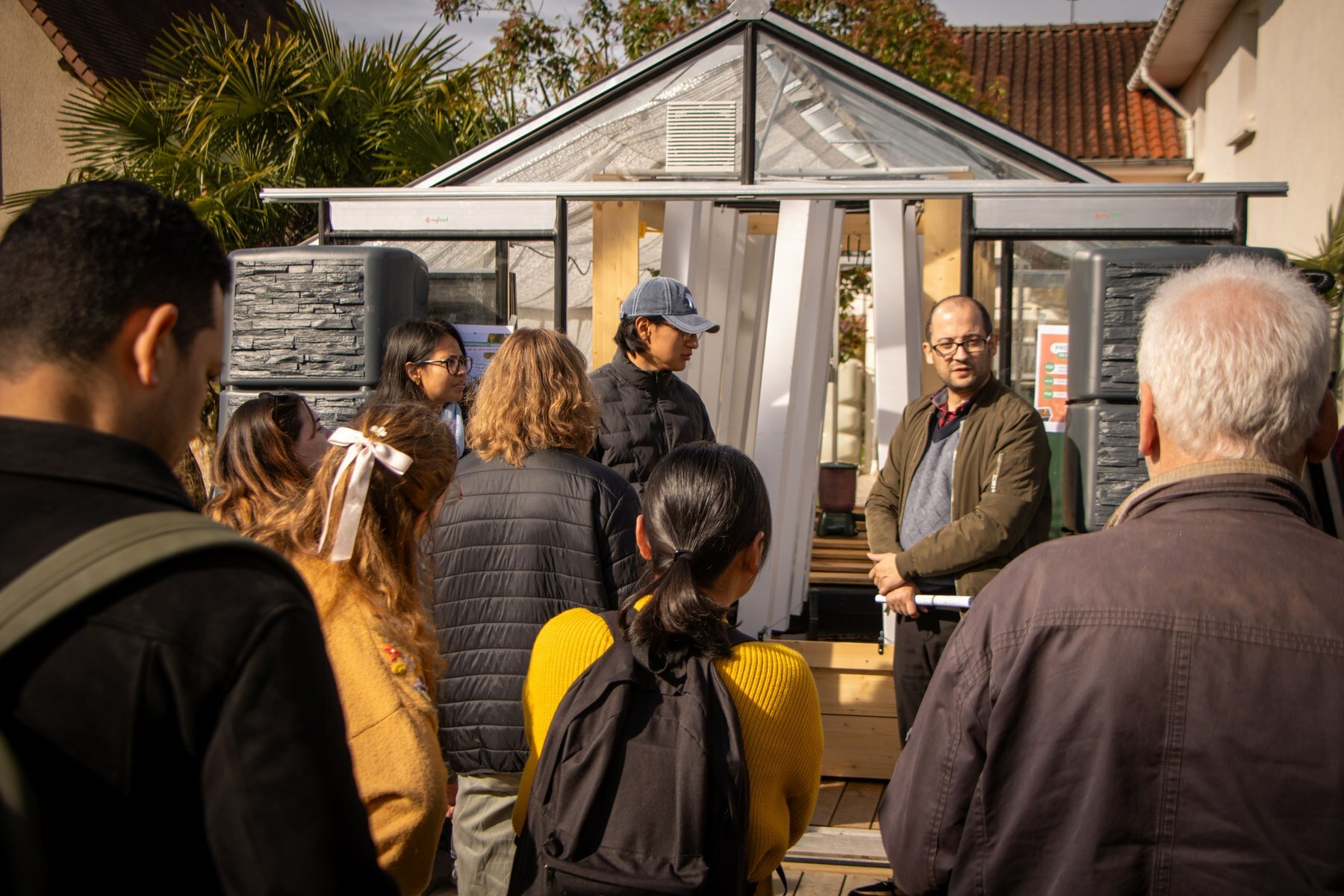
A distinctive feature of the site is its aquaponics greenhouse — one of the few publicly accessible installations of its kind in the area — which already serves as a showcase of ecological innovation and a hands-on learning resource open to schools and the general public.
Co-designing the site's future, plot by plot
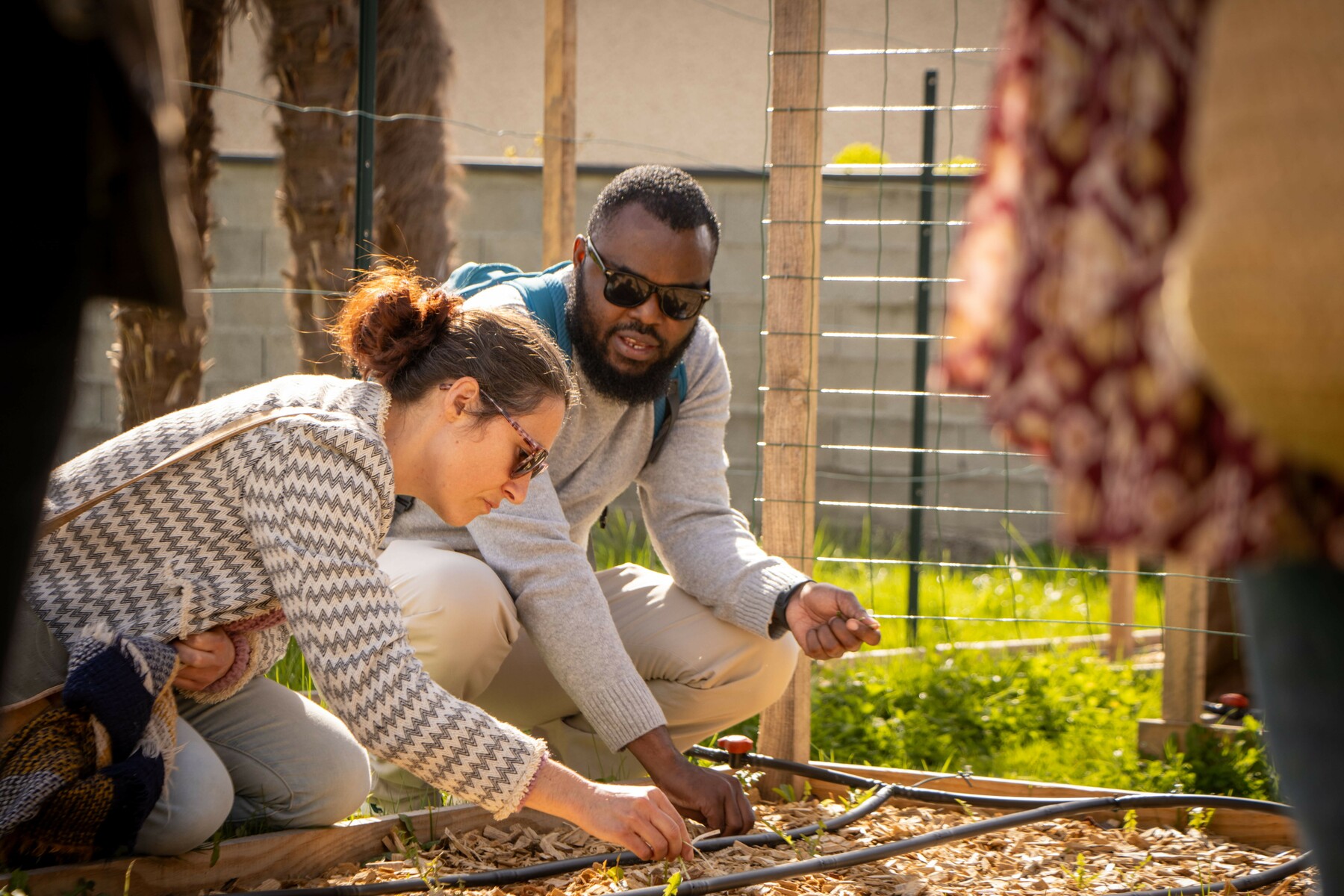
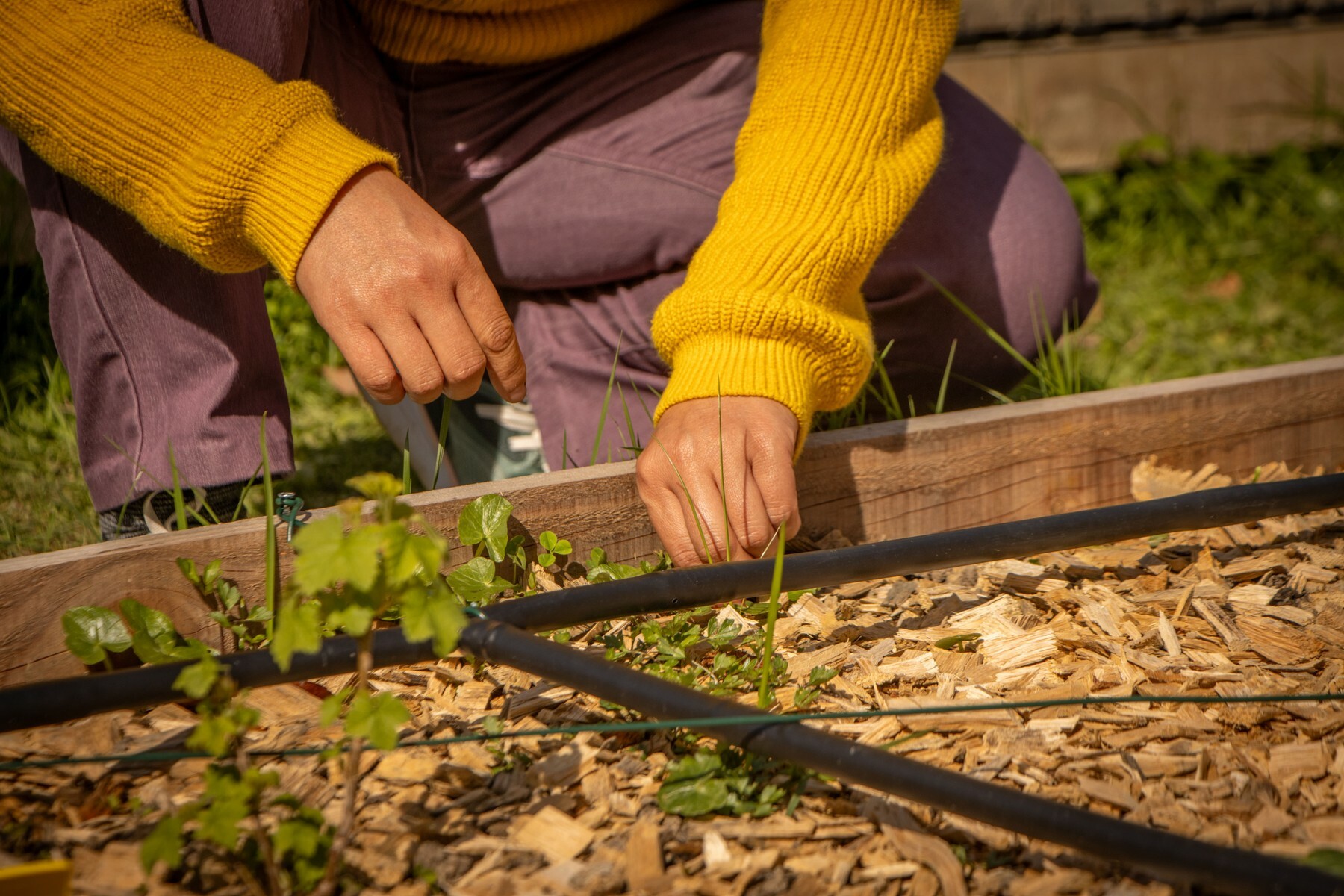
The morning session placed participants directly at the heart of the placemaking process. After a welcome over coffee and a presentation of the Living Lab, mixed groups — combining local residents, association members and international FLE students from the University of Pau — engaged in a hands-on co-design activity. Each group was assigned one of the site's plots and invited to collectively imagine its future vocation, uses and activities. Working on the ground, participants combined practical gardening — weeding and mulching — with structured conversations about plants, food traditions and garden cultures from their respective countries and regions.
This intercultural dimension proved to be one of the day's most distinctive strengths: international students brought fresh perspectives and ideas from other countries, while local residents and association members contributed their knowledge of the territory and its needs — exactly the kind of cross-pollination that eco-placemaking thrives on.
World Café: imagining how the Living Lab can thrive
The afternoon shifted from co-design to co-governance, with a World Café structured around three questions central to the long-term life of the Living Lab:
- What would make people want to come back? Participants called for a covered welcoming area, regular themed workshops (seed-sowing, medicinal plants, composting), harvest events and tastings from the site's own produce, seasonal celebrations drawing on the diversity of the group, and playful initiatives such as a "fish sponsorship" scheme linked to the aquaponics system.
- How can the Living Lab become a resource for local associations? Ideas included using the site as a meeting and networking space, opening the aquaponics greenhouse to schools and visitors, developing volunteering opportunities as a practical CSR tool for associations, exploring horticultural therapy, and connecting the Living Lab to the wider community garden network of the Pau agglomeration.
The day concluded with a plenary restitution and a round of individual commitments, ensuring that participants left not only with ideas, but with a concrete next step to carry forward.
A strongly positive evaluation
The ex-post evaluation confirmed the impact of the day across all dimensions. Satisfaction scores were consistently high — atmosphere and conviviality (4.81/5), welcome and organisation (4.78/5), opportunity to participate (4.78/5), collective activity (4.59/5), clarity of activities (4.52/5) and World Café (4.42/5). More significantly, 100% of participants reported a clearer understanding of what the Living Lab is, over 80% felt more engaged with local environmental issues, and 78% said they felt encouraged to return and take part in future activities. The most appreciated dimension of the day was the human encounter itself — meeting other participants and discovering the site together — a clear signal that the Living Lab's community-building vocation is already being felt.
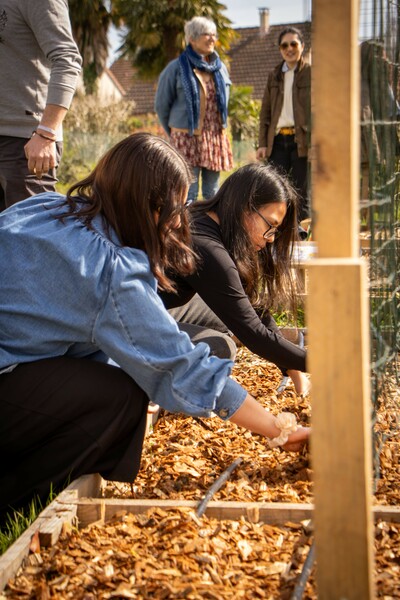
Participants described the day in a single word: enriching, sunny, radiant, community, interactive, warm, well-shared. A place in the making — and already, unmistakably, alive.
A step toward deeper community action
Pistes Solidaires will build directly on the results of this inauguration day during its next in-situ RurALL event, deepening the eco-placemaking process by moving from initial co-design to more structured community action. The Living Lab in Pau is developing as a replicable model of participatory green space creation — one that other communities across the RurALL network can draw on and be inspired by.


